CSU San Bernardino ISPP Internship 2013-2014
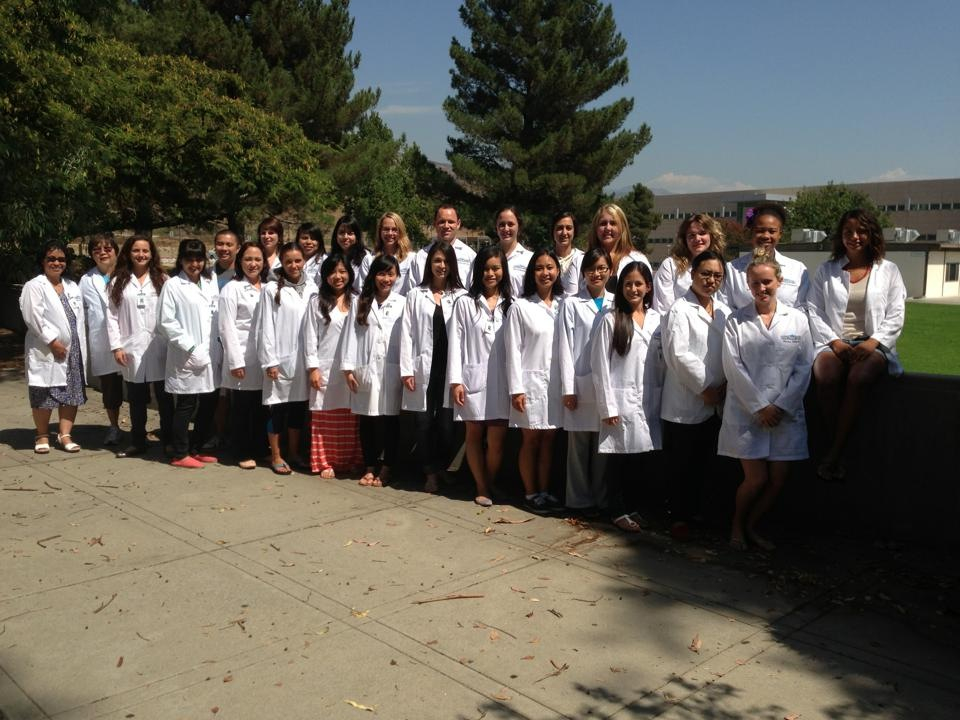
Internship Orientation Sept. 4-11, 2013
Orientation overview and reflection:
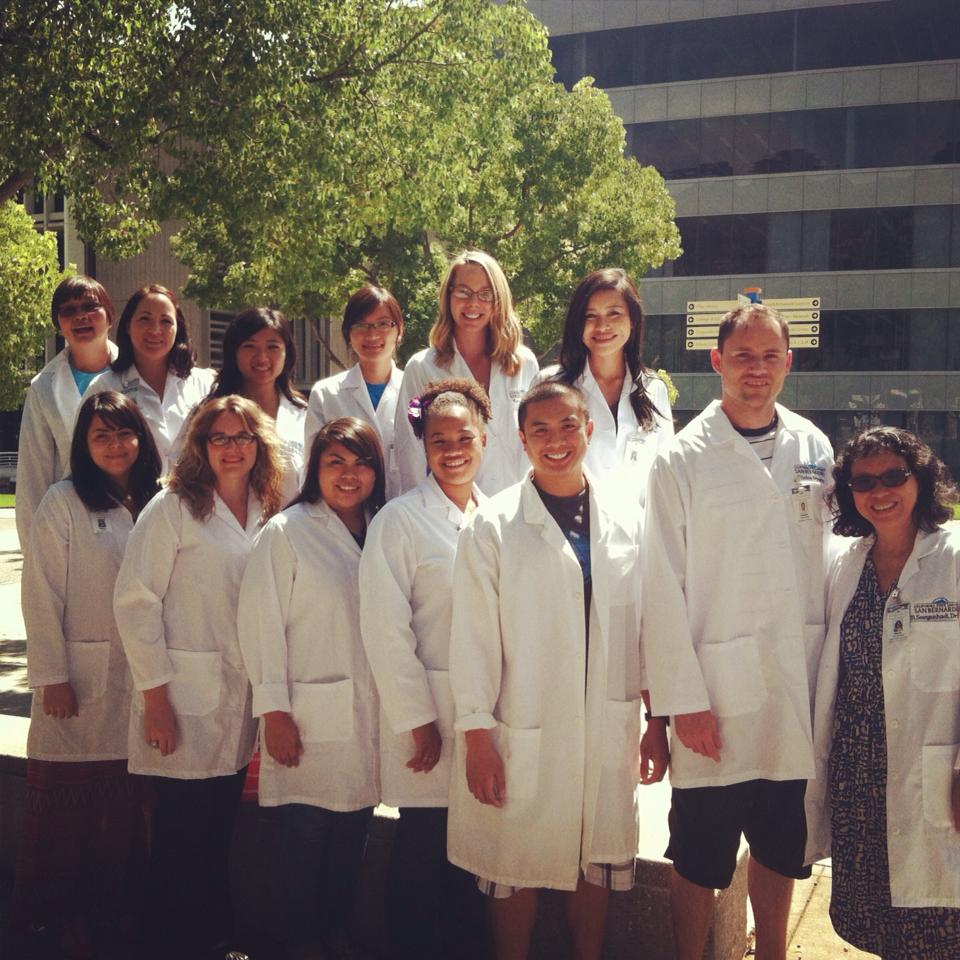
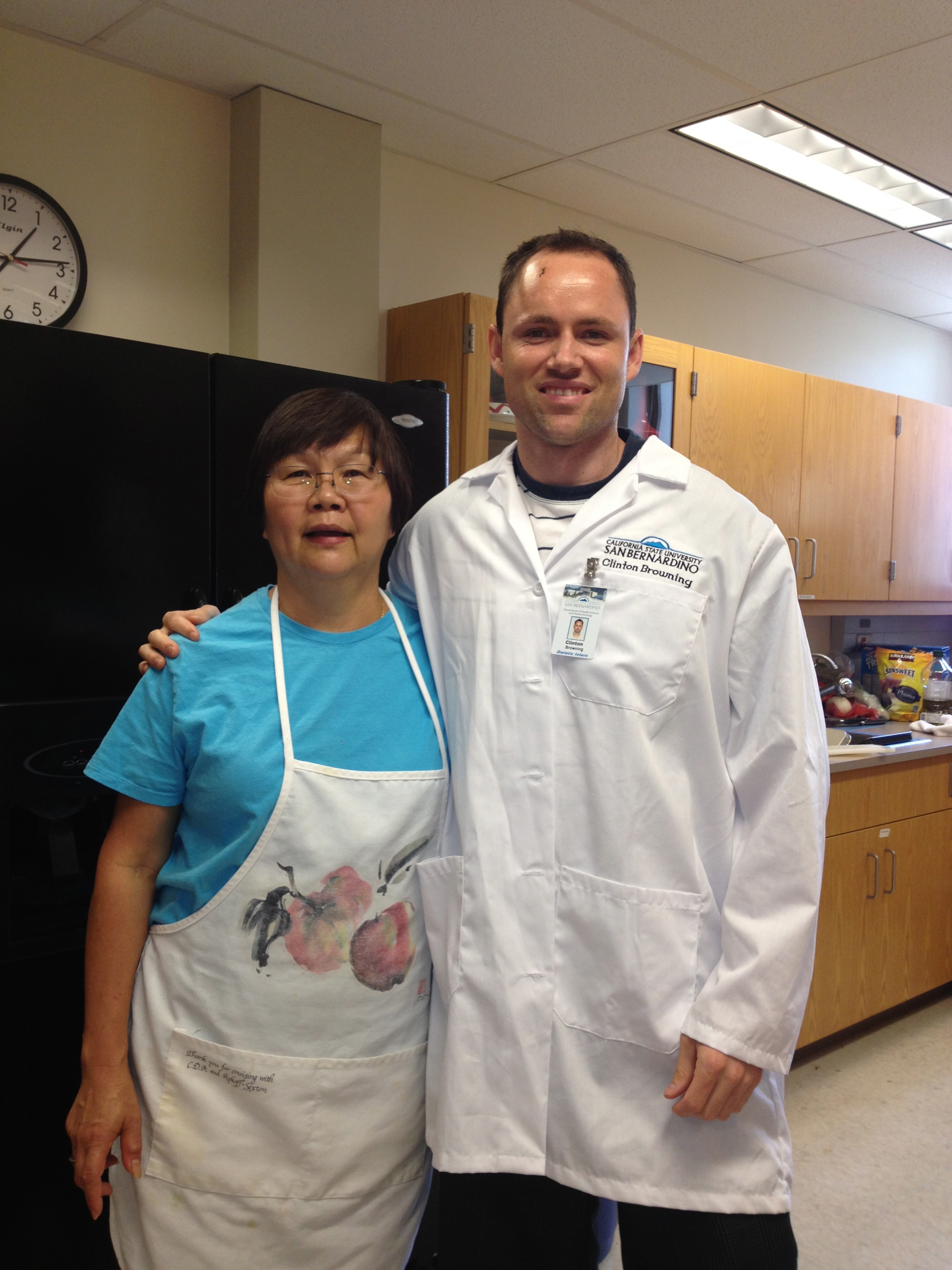
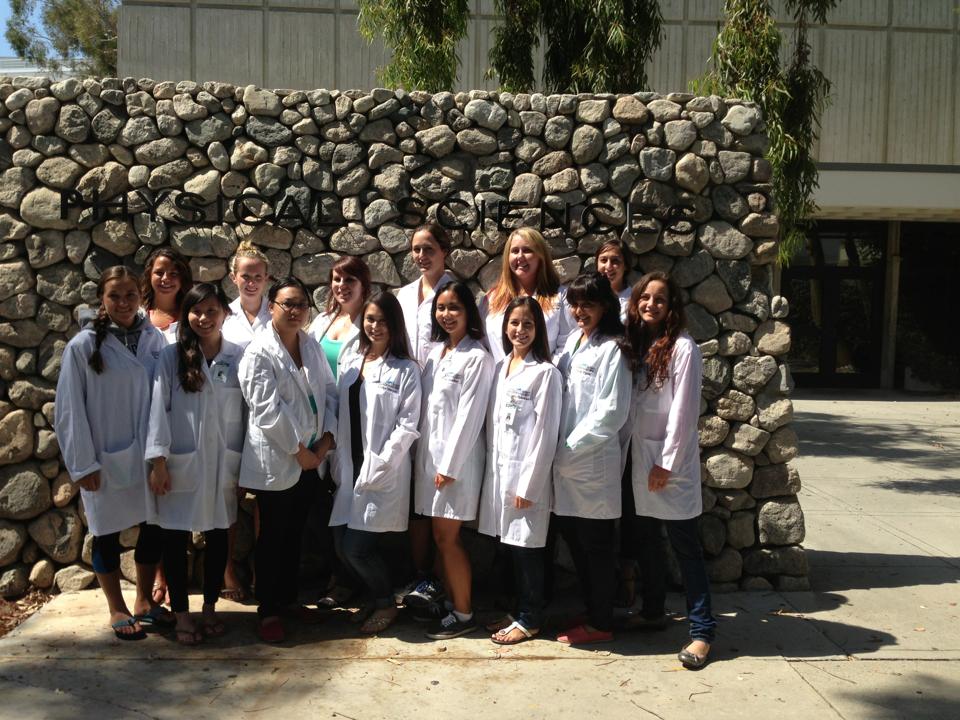
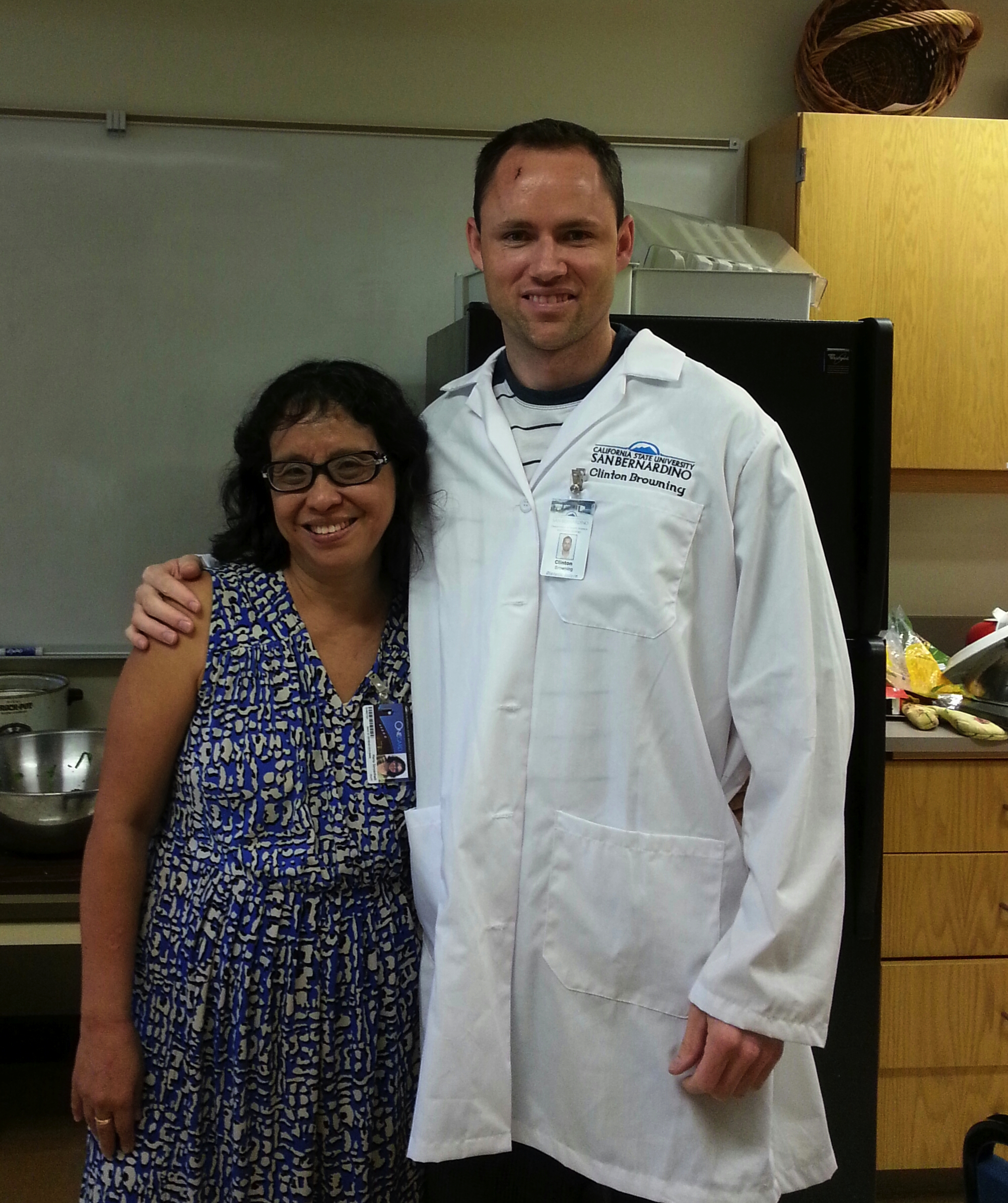
The welcome to California State University San Bernardino Individualized Supervised-Practice Pathway was not only rewarding and beneficial as an intern, but also very exciting. The orientation began as an introduction to a new beginning; it was the next step toward becoming a registered dietitian and development of productive relationships with fellow colleagues from many different areas of the United States. This ISPP orientation was very beneficial due to the informative presentations demonstrated by RD's from various aspects of the field. Meeting and networking with RD's already in the field allowed all of the interns to peer into the window of what is yet to come as a young dietitian. The working professionals provided the interns with their own perspective of dietetics. The orientation was also a brief overview of intern expectations for the program. Each intern had the chance to work one on one with Dr. Marta Sovyanhadi for their rotation expectations. All of the interns also had the pleasure of enjoying the cooking of Dr. Dorothy Chen-Maynard for every lunch and dinner. This orientation was definitely a very unforgettable experience.
Preschool Head Start Rotation Sept. 16-27, 2013
Preschool rotation summary and reflection:
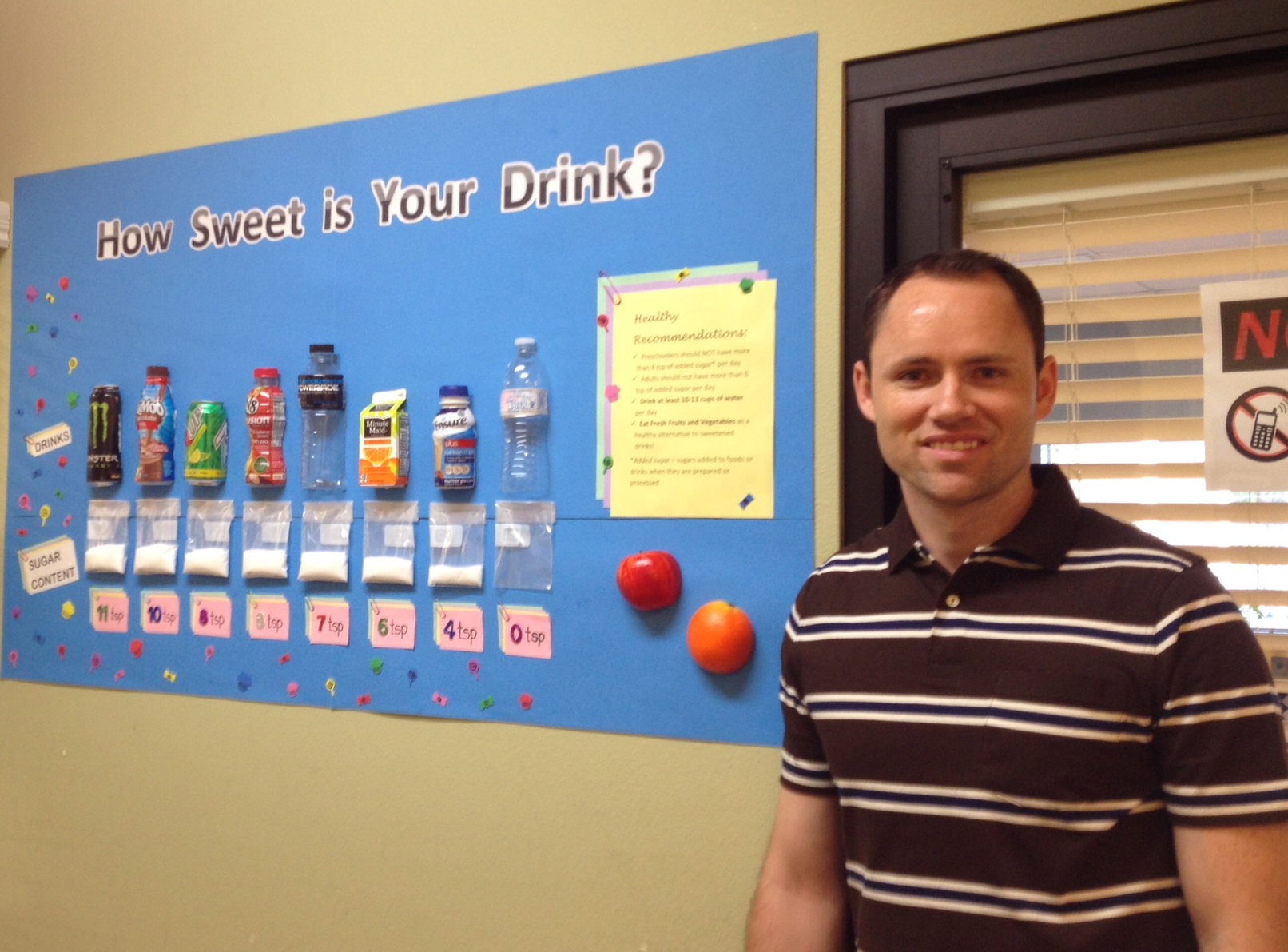
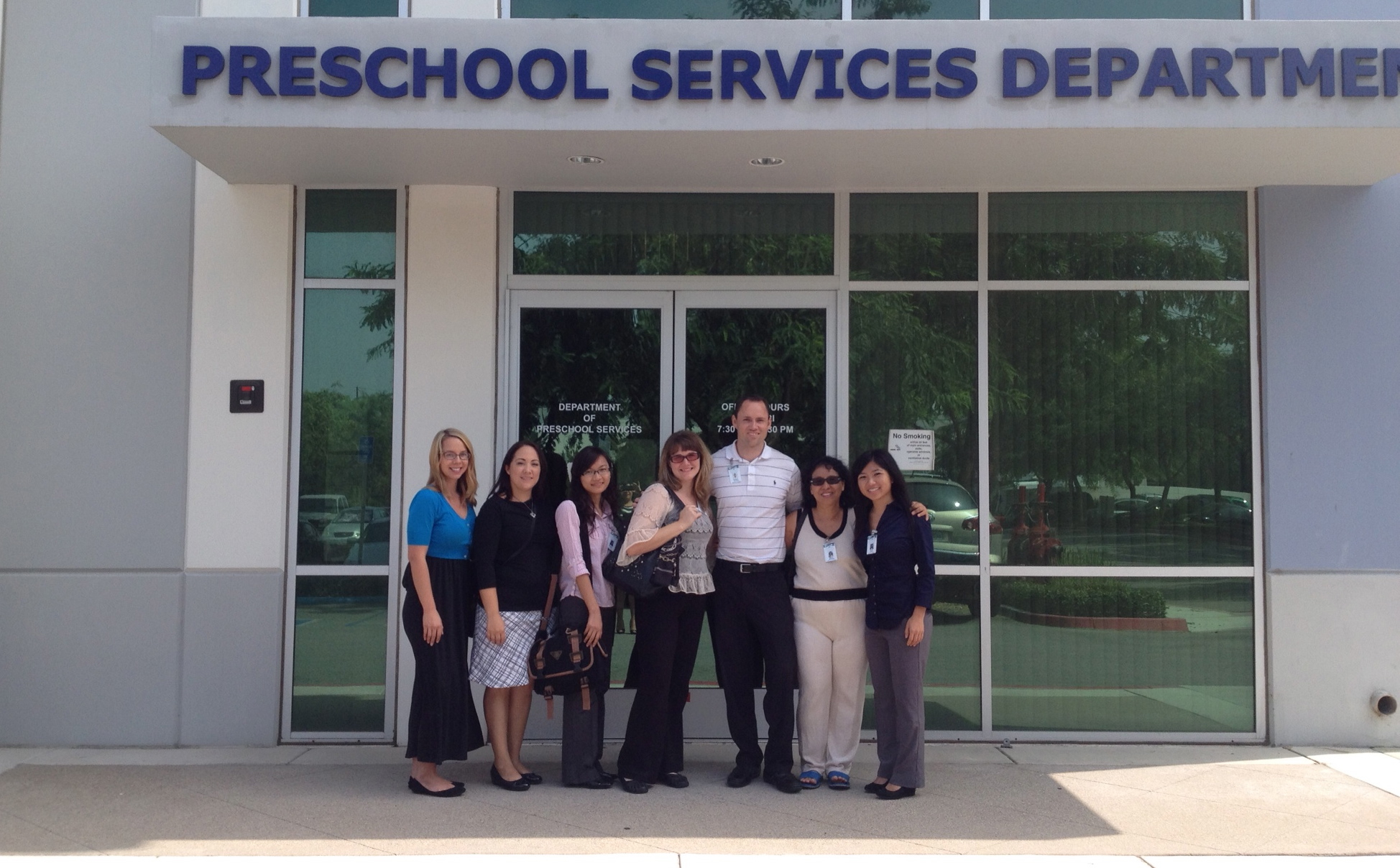
The preschool Head Start rotation was a very intrinsically and extrinsically rewarding rotation. I had the opportunity to work with Heba Peters, the Registered Dietitian for San Bernardino County Head Start locations. Heba provided a brief overview of the data input of children's information into the county database before releasing each intern to their specific sites in the Inland Empire and High Desert areas. The objectives were to measure all of the preschool children at each site, input their height and weight into the database, analyze the growth charts to determine the at-risk children, contact the parents of each at-risk child, then provide one-on-one parent nutrition education and a 30-minute group parent nutrition presentation. The parent nutrition education consisted of a five-minute counseling including general MyPlate recommendations, nutrition handouts about iron-deficiency tips, picky eaters, and other nutrition information relating to preschool aged children. This experience was very intrinsically rewarding due to the hope that these parents will actually incorporate the healthy recommendations into their lifestyle and promote health to their at-risk children. I feel that there is potential for increased community health and quality of life for these at-risk children, even if nutrition and physical activity advice is delivered to one parent at a time. The 30-minute group presentation was also very rewarding due to the chance of demonstrating MyPlate, iron and picky eating tips, as well as the Color Me Healthy tool to the parents and children at the parent-teacher meeting. I also had the opportunity to design a nutrition display for the Victorville Head Start site's waiting room. I chose this area since the parents wait in this location for their children each day. The nutrition display will give them something to read and look at while allowing them to think about changes in their diet. The display title is "How Sweet is your Drink?" Various drinks are included in the display with their sugar content below with healthy recommendations to the side, illustrating the abundance of simple carbohydrates included in each of the popular drinks. The message is that these drinks contribute to overconsumption throughout each day and could potentially lead to a child's malnourishment later in life. I also had the pleasure of demonstrating a Color Me Healthy lesson to numerous classes during the day at the Victorville and Barstow Head Start sites. The children were very active and excited to learn more about nutrition and increased physical activity. The Color Me Healthy tool can be a very beneficial tool for the teachers to incorporate into the lesson plan each day. The information or messages provided by this tool will hopefully lead to healthier lifestyles for these children. The opportunity to make a difference in the children and parent's lives was only two weeks, yet I feel every moment counted when it came to providing recommendations and positive moral to each parent.
Diabetes Counseling Rotation Sept. 30-October 11, 2013
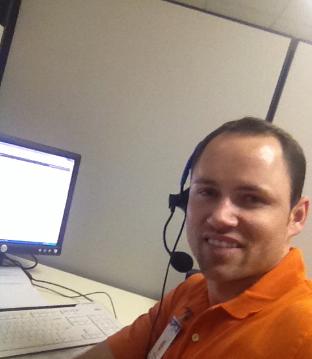
Diabetes rotation summary and reflection:
The exciting experience at WeCare Pharmacy with Matt Malouin was an unforgettable memory, not only for the diabetes nutrition counseling and communication skills acquired, but also for the collaboration and interaction between each and every member of the team there on staff. WeCare Pharmacy is a company that provides diabetes supplies to patients from the IEHP provider. The company's Registered Dietitian provides complementary nutrition advice, counseling, or education for every patient if they are interested. The duties were to call at-risk patients, collect a basic diet recall, and deliver nutrition education based from the food they eat throughout each day. At-risk patients were those that had a laboratory value hemoglobin A1C of 10% or more and/or Body Mass Index of less than 19 kg/m2 or greater than 40 kg/m2. The basic message for each patient was to emphasize increased dietary fiber with half the plate fruits and vegetables, whole grain products, limited amount of starchy foods and drinks, healthy snacks such as dry roasted almonds or walnuts, and small frequent meals to control blood glucose absorption. The counseling experience provided increased interviewing skills such as successful delivery of open-ended and neutral questions, incorporation of positive reinforcement, and collection of subjective food history with attentive listening. I feel that a crucial skill that is necessary for conducting a diet recall on the phone is development of rapport between the patient and interviewer. A basic relationship must be created between the two in order for the patient to feel comfortable enough to release precious details regarding their diet and lifestyle. I feel that the diabetes patients will absorb and incorporate lifestyle change once the necessary interviewing skills are utilized. The experience at WeCare Pharmacy with Matt was definitely another great opportunity to enhance abilities and practice a unique aspect of dietetics.
Women, Infants, and Children Community Rotation Oct. 15-Nov. 1, 2013
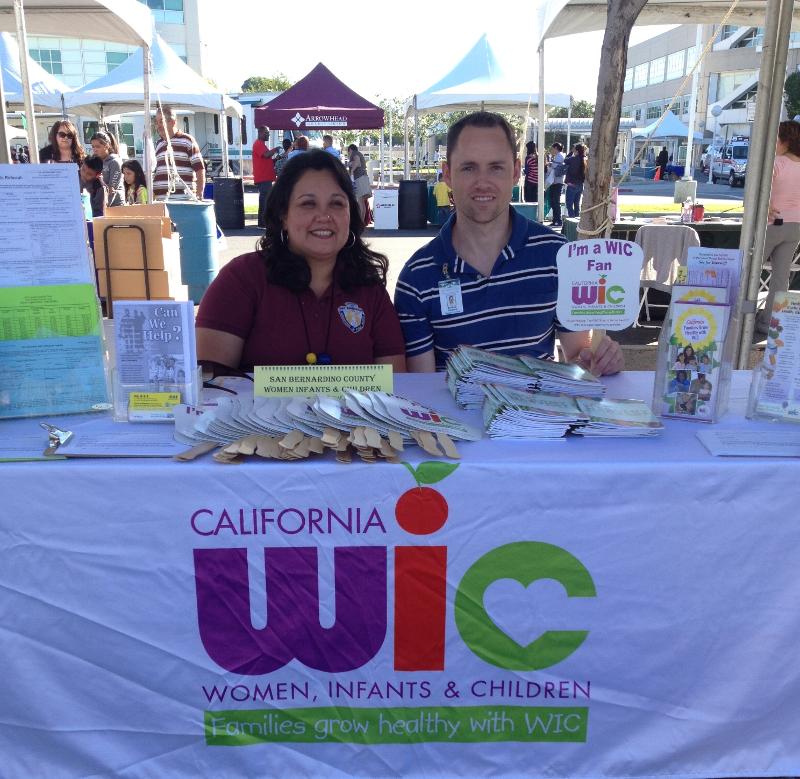
Women, Infants, and Children (WIC) Community rotation summary and reflection
The community portion of the internship was completed through the Special Supplemental Nutrition program for women, infants, and children (WIC). This Federally funded program is designed to provide supplemental foods, health care referrals, and nutrition education for low-income pregnant, breastfeeding, and non-breastfeeding postpartum women as well as at-risk infants and children up to the age of five years.
The experience gained from Terri Bailey and many other wonderful preceptors was very rewarding due to the assortment of projects, presentations, and sites that were provided. I was given the opportunity to design many projects such as informational handouts and nutrition education presentations to numerous populations including correctional facility inmates, senior citizens, and WIC employees.
The foundation of knowledge and experience acquired from undergraduate nutrition and food science courses and foodservice employment have provided me with the background needed for several aspects of this internship rotation. Procedures for protection against food-borne pathogens and sanitation procedures were utilized during inspection of the senior nutrition program kitchen and operation. Nutrition therapy techniques as well as nutrition recommendations for breastfeeding women, infants, and children were also applied while counseling this particular population in the WIC setting. Numerous Inservice topics were created and presented including Safety in Supplements, Sweetened Drinks, and Popular Workout Programs and Nutrition. These presentations provided additional public speaking experience and more importantly, significant health-related knowledge for these avid populations.
Hesperia Unified School District Rotation Nov. 4-15, 2013
The Hesperia Unified School District allowed me to experience many different aspects of the dietetic foodservice management role. I was able to incorporate the foundation of knowledge learned from undergraduate school by creating numerous templates for projects such as the food sensory evaluations and perpetual inventory tables. Experiences including the cost analysis, equipment order specification, evaluation of procurement systems, and the feasibility study for waste management were also obtained during this rotation.
Each project provided different qualities and fulfilling experiences. The quality improvement project was a very interesting assessment since I was able to make recommendations for the whole process. The perpetual inventory was a huge task I had to complete throughout this rotation due to the nature of the process. First I had to create an inventory template that incorporated all of the available products. Then I had to input and analyze duplicates before submitting a final perpetual inventory. The food sensory evaluation gave me the chance to work with the staff while evaluating the temperature, appearance, texture, and flavor of a few different lunch products. The evaluation, along with other management duties exposed me to various forms and processes that a foodservice manager would normally be a part of.
This foodservice management rotation has allowed me to prove my creativity, enthusiasm, and patience in this exciting setting of dietetics. I now realize that part of being a manager is not only providing leadership and a positive environment for fellow workers, but the job also encompasses many other tasks and duties involved with paperwork and time management.
St Mary Medical Center Foodservice Mgmt. Dec. 18, 2013-Jan. 21, 2014
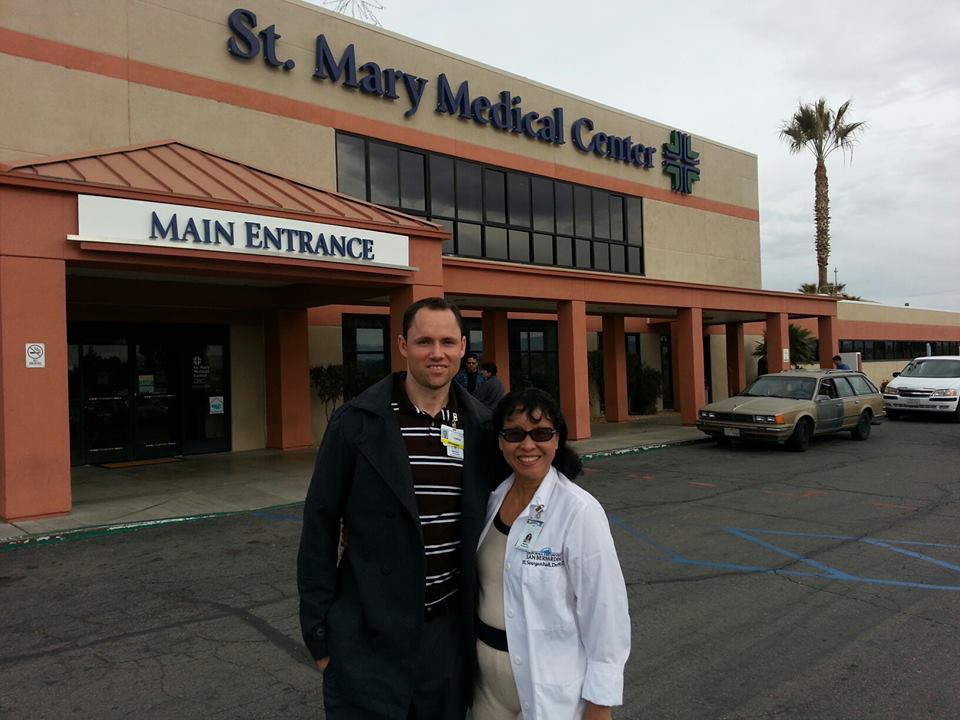
The hospital foodservice management rotation was a very satisfying and exciting occasion since I was able to gain an understanding of a wide variety of topics and hands-on experience in the hospital. I worked on numerous projects including recipe development, food safety audit, catering, nutrition education handouts and in-service, equipment order specification, sanitation audit, diet modifications, financial data analysis, hiring and disciplinary actions, numerous presentations, and the self-improvement projects related to foodservice management. The most exciting events were the theme meal project and the Heart Healthy Games presentation.
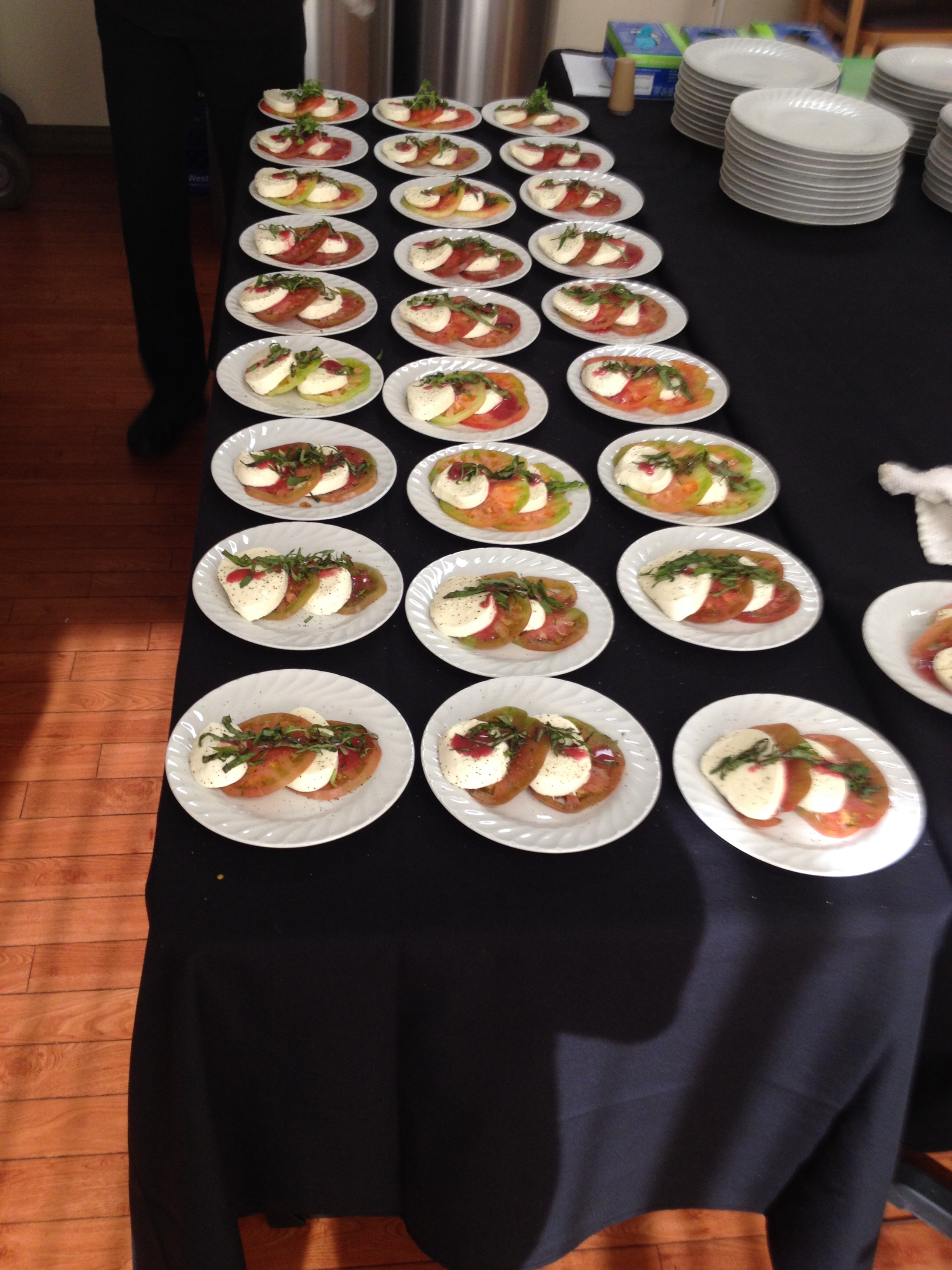
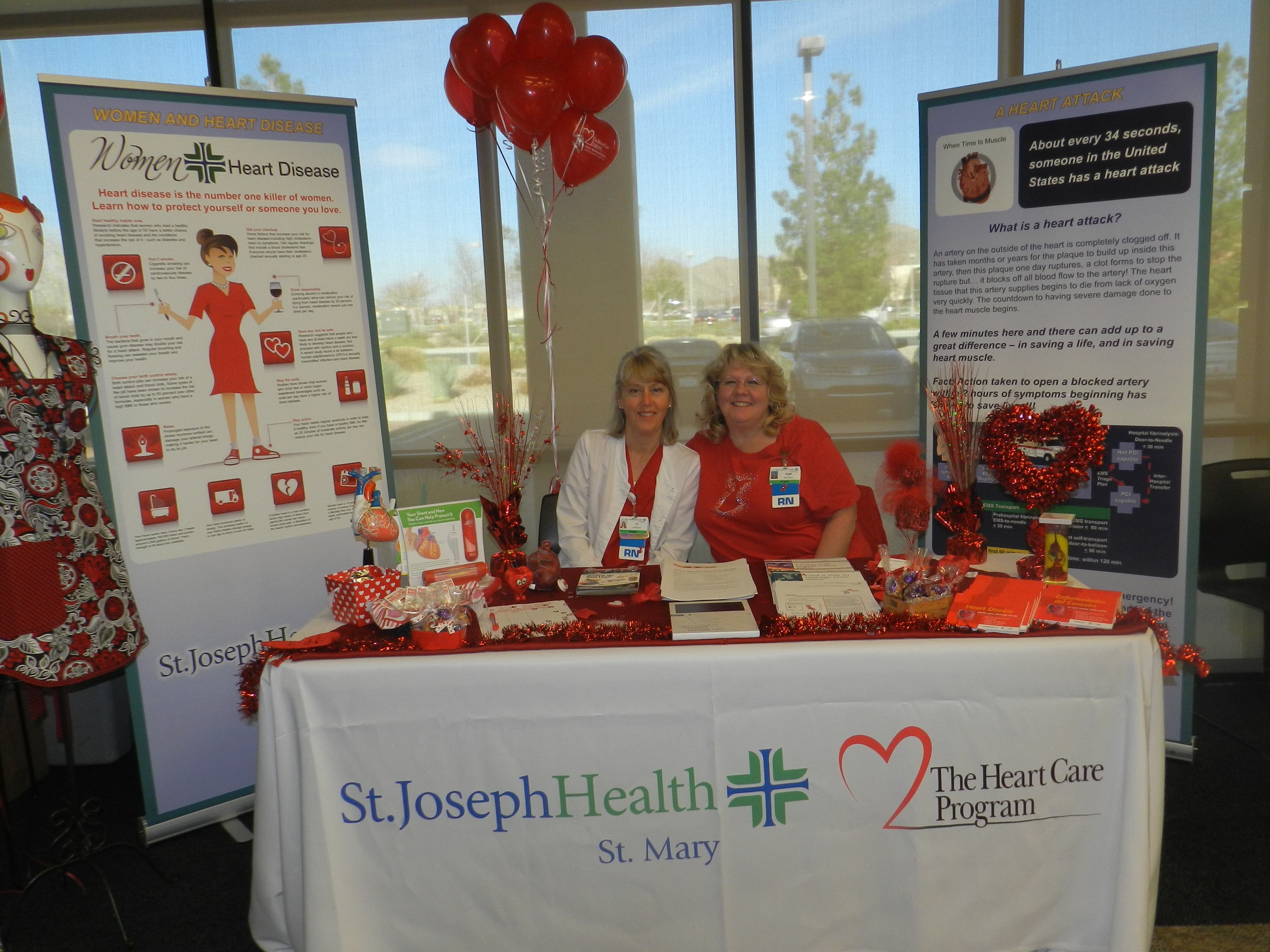
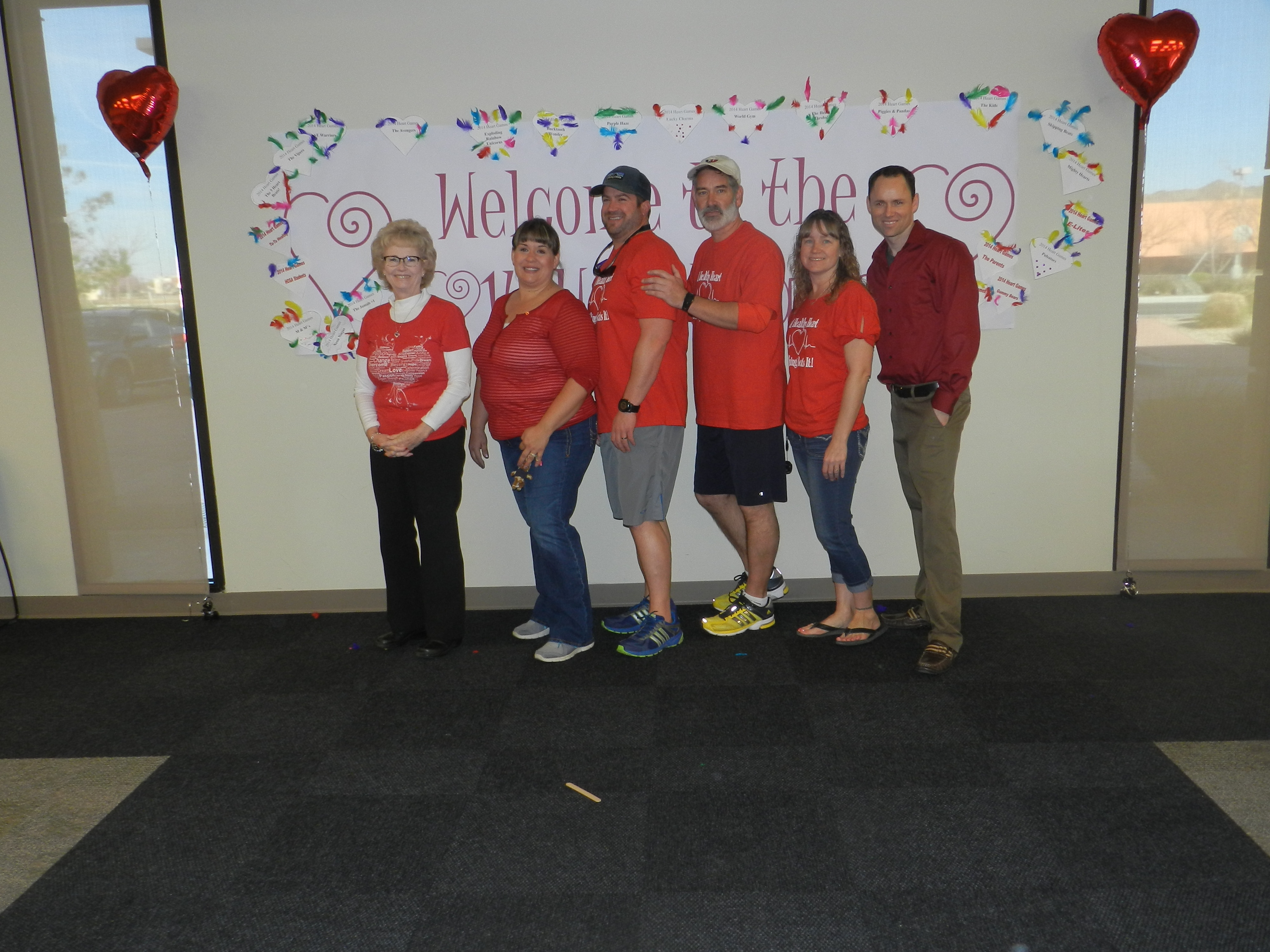
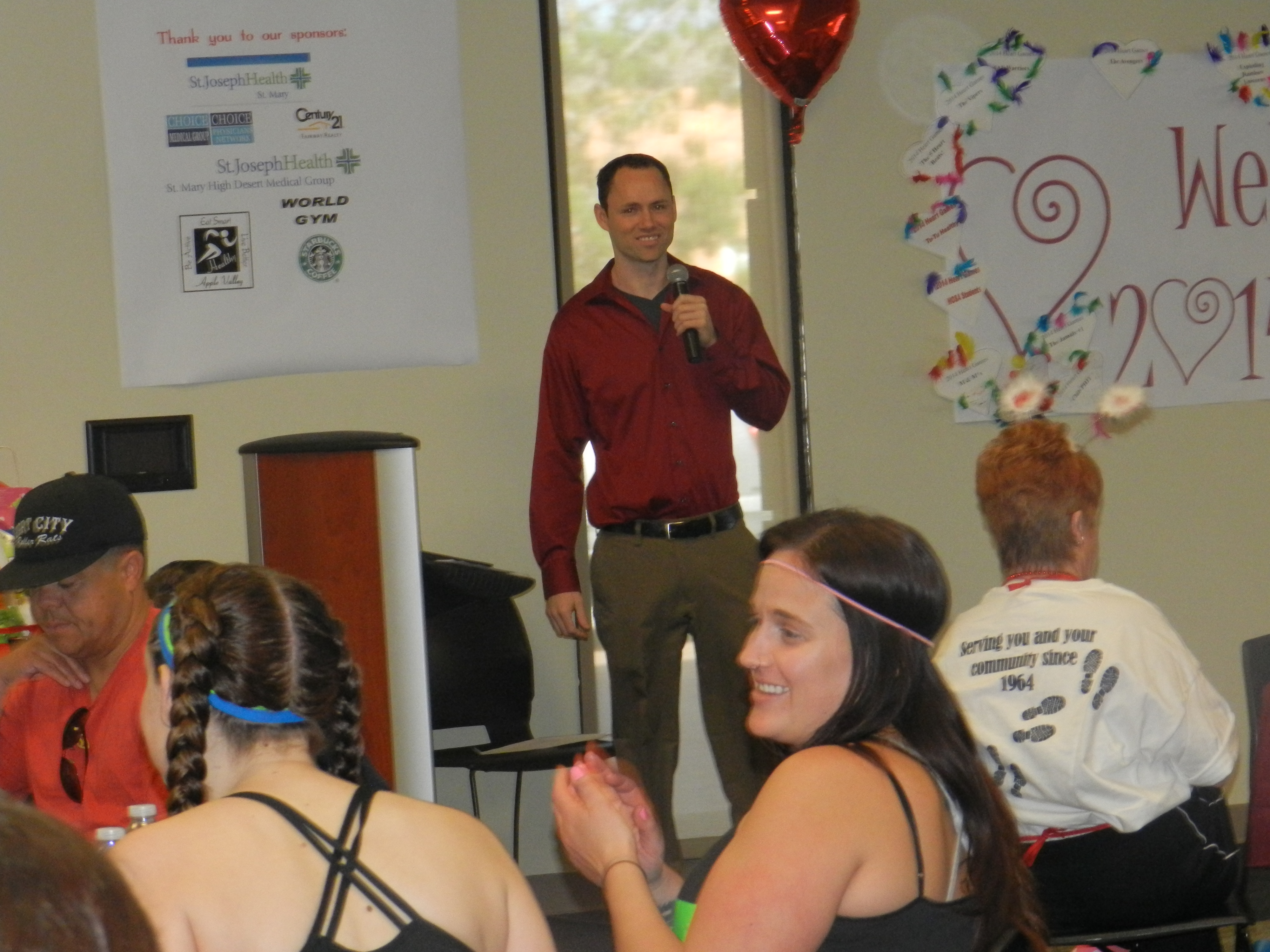
The theme meal project provided me with knowledge and skills needed to create a wonderful Caribbean Luau menu that provided great feedback. I was able to analyze each component, price the whole meal, chose delicious tasting recipes, and promote the event to the entire hospital. I also had the help of the Executive Chef on staff since he had plenty of past history modifying meals and promoting events. The Heart Games also allowed me to provide a heart healthy snacks presentation to over 100 participants before their outdoor physical activity event. This presentation gave me the chance to demonstrate healthy snack to incorporate before, during, and after exercise as well as the Academy of Nutrition and Dietetic MyPlate food group symbol and explanation. Opportunities such as this presentation are important for the community to begin making changes in their lives toward healthier choices.
The hospital foodservice management rotation was actually very different from the school district foodservice management rotation due to the different settings and length of time spent on site. The school district rotation was fulfilling in that I was able to visit numerous school sites to perform management duties, yet the hospital site allowed me to really dive in and experience much more of the foodservice aspect due to the extensive length of time I was on site at the hospital.
St Mary Medical Center Clinical Rotation Jan. 22-May 13, 2014
The clinical rotation was the most extensive of all rotations during the internship. Therefore, I had the opportunity to experience much more of this setting of dietetics. I had the chance to explore and utilize the electronic medical records to analyze patient information during nutrition assessment and diagnosis. I was able to utilize critical thinking skills in determining the nutrition diagnosis by interacting with patients, examining past medical history, laboratory values, tests and procedures performed, and through collaboration with the medical team. After all of the nutrition assessment components have been compiled, determination of the patient’s nutritional status and specific nutrition-related problems lead to the most relevant nutrition diagnosis. The PES (problem, etiology, signs and symptoms) statement from the Nutrition Care Process was utilized in order to achieve an accurate diagnosis for each patient. Intervention was the most interesting aspect due to the many different choices in nutrition treatment. Most importantly, the nutrition intervention should be the most relevant treatment that will resolve or improve the identified nutrition problems. All nutrition interventions used are based from the Academy of Nutrition and Dietetic Evidence-Based Guidelines. After analyzing these guidelines, I was further prepared since each nutrition guideline is derived from systematically reviewed scientific evidence.
The clinical setting is definitely the most challenging of all the rotations since much effort had to be incorporated to provide optimal patient care. Initially, I figured the knowledge that I learned from school would be enough to get me by; yet, I soon realized that I needed to study at home after the rotation each night to be fully prepared for the next day at work. I struggled with remembering certain factors such as laboratory values, specific tests and procedures, rare disease states, medications, and how all of these were correlated. As the days progressed, I gained valuable experience and began to formulate the correct nutrition diagnosis with the appropriate recommendations based from all of the factors I initially struggled with. This was all made easier with the help of my fantastic preceptor. She was able to provide not only her wisdom and guidance throughout this process, but also a great amount of patience.
Desert Cities Dialysis Clinical Rotation May 14-June 17, 2014
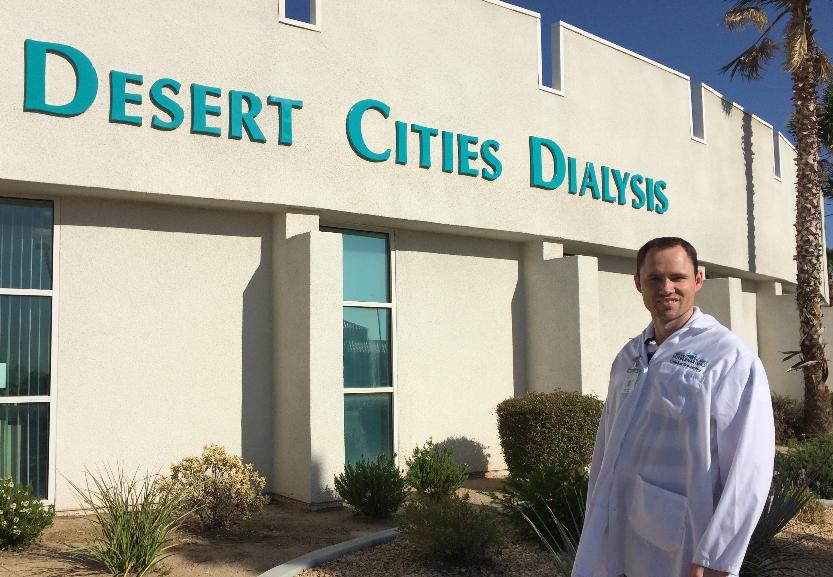
I chose to go to a Dialysis Clinic for my elective rotation due to the difference between inpatient and outpatient clinical care. I wanted to experience the connection that the outpatient Registered Dietitian is able to gain from working with the same patients on a daily basis. The operation of a dialysis clinic is much different from the hospital setting. I learned that each patient is very different in regards to their needs, determinations, and expectations. Some patients are certainly more motivated to change behaviors than others. Many elements may lead a patient to seek change in their lives. Whether it is the need for a kidney transplant or potentially a life-changing heart attack they survived, patients eventually pursue the necessary change in order to be healthy and feel great once again. A dietitian’s job is made much easier once a patient reaches the need for change in their life.
At Desert Cities Dialysis, the Registered Dietitian has a certain series of events that occur. The labs are drawn bi-monthly and evaluated for lab redraws. At this site, the dietitian has the opportunity to make medication recommendations: specifically toward bone and lipid management. The lab values monitored are triglycerides, cholesterol, vitamin D and calcium, potassium, phosphorus, and parathyroid hormone. The dietitian can then make the appropriate recommendations based from the lab values, current body weight, and nutrition factors such as dietary habits. The recommendations can then be signed off by the MD. During the second and fourth weeks of the month, laboratory cards are prepared and shared one-on-one with each patient to provide a snapshot of their renal control. Their control may be sufficient with diet, exercise, and proper use of medications. A renal patient may be on many different medications depending on their state of health. Renal patients on dialysis may be required to take statin medications, phosphorus binders and parathyroid medications to manage their disease state and keep control of their laboratory values. Counseling is also required to fully understand their unique motivations and needs. Once the patient accepts their current state of health and that the food they eat, the medications they consume, and the timing are all crucial for optimal health, patients begin to start feeling great again.
I am very thankful that my dialysis rotation preceptor was able to share her insight and valuable knowledge with me during this rotation. She was very patient and provided precious time for completion of each one of my competencies. All of the internship rotations will be cherished and utilized in the near future as I develop these techniques and skills needed to become a great Registered Dietitian.